Insulating Your House Against Electrical Fire Dangers
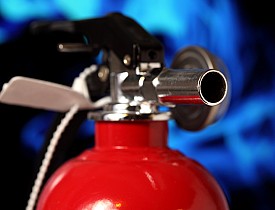
In a previous article, we listed the top causes of electrical accidents and told you about newer, safer electric outlets. Still, even if you heed all our warnings and take all the proper precautions, accidents and electrical mishaps can happen. The right insulation installation could help keep a mishap from becoming a catastrophe. Take particular care with insulation in the garage and attic. Here's why.
Garage insulation
Many homeowners don't take fire safety as seriously in the garage as inside the home. However, the garage may be the most dangerous part of your house, especially if you keep oil-soaked rags, flammable chemicals, overloaded outlets and spark-generating power tools all in close proximity. (Bad news!) When the garage isn't insulated and finished properly, it makes matters even worse.
Home inspectors say garages without fire walls and fire doors are perhaps the most common code violation and safety hazard in homes they check. Make your garage safer by adding insulation and drywall, and sealing every drywall seam with tape to avoid exposed insulation.
Pretty much any type of insulation can burn in the right circumstances. Cellulose insulation and polyurethane rigid-board insulation can smolder and even burn regardless of the fire retardant chemical additives. There are urban legends among remodeling contractors about leaving a flashlight on in an attic during a lunch break, then coming back to an attic fire. Fiberglass is made of sand, and is essentially fireproof. However, the kraft paper facing on fiberglass insulation may be very flammable. It should always be covered with drywall.
Attic insulation
Another electric safety threat is the attic insulation around recessed light fixtures and other electrical devices that either produce heat or can become very hot in the case of a malfunction. Halogen lights are particularly dangerous.
Insulation batts should not sit directly on top of recessed light fixtures in the ceiling. Likewise, for blown-in insulation, create a cylinder of flashing at least four inches wider than the light fixture diameter. Check each fixture after blowing in the insulation to make sure none of the material is trapped inside the flashing and around the light.
If the insulation smolders or ignites, the smoke will be above your smoke detectors, and is blowing into the attic, so you may not notice the problem in time to prevent a dangerous fire.
Stay safe
Be safe and smart with insulation, particularly in the garage and attic, to help prevent electrical fires. Don't let any insulation touch bare wires, and keep insulation fibers out of electrical outlet boxes. Unless you are an expert DIYer, hire a pro for safe insulation installation.
Updated November 18, 2018.


Looking for a Pro? Call us (866) 441-6648

Related Experiences
Handyman Used Brains As Well As Brawn To Move A 500 Pound Fridge
We Needed A New Bathroom Vent Fan To Get Our House Renter-Ready